

By Aric Sahibdeen
Staff Writer
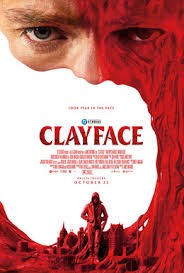
DC Studios’ Clayface oozed into theaters on October 23, giving Batman’s shape-shifting villain his own R-rated horror movie just in time for Halloween.
Directed by James Watkins and written by Mike Flanagan and Hossein Amini, the film is the third movie in James Gunn and Peter Safran’s new DC Universe, following Superman and Supergirl. Unlike those films, Clayface trades capes and city-wide battles for gross-out body horror, and the gamble mostly pays off.
Tom Rhys Harries stars as Matt Hagen, a rising Hollywood actor whose career falls apart after a mob boss’s henchmen disfigure his face. Desperate, Hagen turns to Dr. Caitlin Bates, a fringe scientist played by Naomi Ackie, whose experimental treatment repairs his face but leaves his body unstable and clay-like.
As Hagen begins taking revenge on the people who betrayed him, Gotham police detective John Borelli, played by Max Minghella, closes in on the case, made more complicated by the fact that he is engaged to Bates. Eddie Marsan and David Dencik round out the supporting cast, and The Batman director Matt Reeves serves as a producer.
The movie’s biggest strength is its commitment to horror, and fans of Watkins’ earlier films like The Woman in Black will recognize his slow-building dread. Rather than relying on CGI, he built many of the transformation scenes with practical effects.
Speaking to Dread Central, Watkins said, “There’s something about doing it for real in camera. It’s stronger.”
That approach pays off in an airplane where Hagen cuts through strands of flesh growing over his eyes, a moment the crew filmed with a giant prop eye and scissors. Watkins added, “It’s old school the way we shot it.”
Responding to fans who worried a superhero studio would go easy on the scares, he promised, “Trust me, the film delivers on the horror.”
Harries carries the film, playing Hagen as both pitiful and frightening, often in the same scene. Watkins told The Hollywood Reporter that Harris went through an unusually long audition process, saying, “I don’t think I’ve ever auditioned anyone that much,” and adding, “There was just a sense that Tom had something.”
Ackie also stands out as Bates, giving the film’s most conflicted performance as a scientist torn between her work and her conscience.
The movie is not without flaws. The middle section drags, and the final act drifts toward the familiar comic-book showdown the rest of the film works so hard to avoid. Its jabs at Hollywood fame and vanity also stay fairly shallow.
Critics have been split on how much these problems matter. Manny Dela Rosa of NBC Palm Springs called it “a creepy, stylish monster movie with real scares and a surprising amount of heart.”
Robert Kojder of Flickering Myth was less impressed, giving the film two stars and writing that “Clayface‘s most impressive aspect is how disappointingly boring it is.”
Audiences have been kinder than critics. The film holds a 76% critics score and a 94% audience score on Rotten Tomatoes.
After Warner Bros. moved its release from September 11 to the Halloween season, it opened to about $24 million in North America, a strong start for a movie that cost around $40 million to make.
Collider’s Steven Weintraub noted that the movie “doesn’t require any knowledge of DC to enjoy,” making it an easy pick for horror fans who have never picked up a Batman comic.
Overall, Clayface is a bold, gory change of pace for DC that’s worth seeing for its effects and Harris’s performance, even if its story loses some of its shape by the end.
Clayface is rated R and runs 108 minutes. It is now playing in theaters nationwide.

